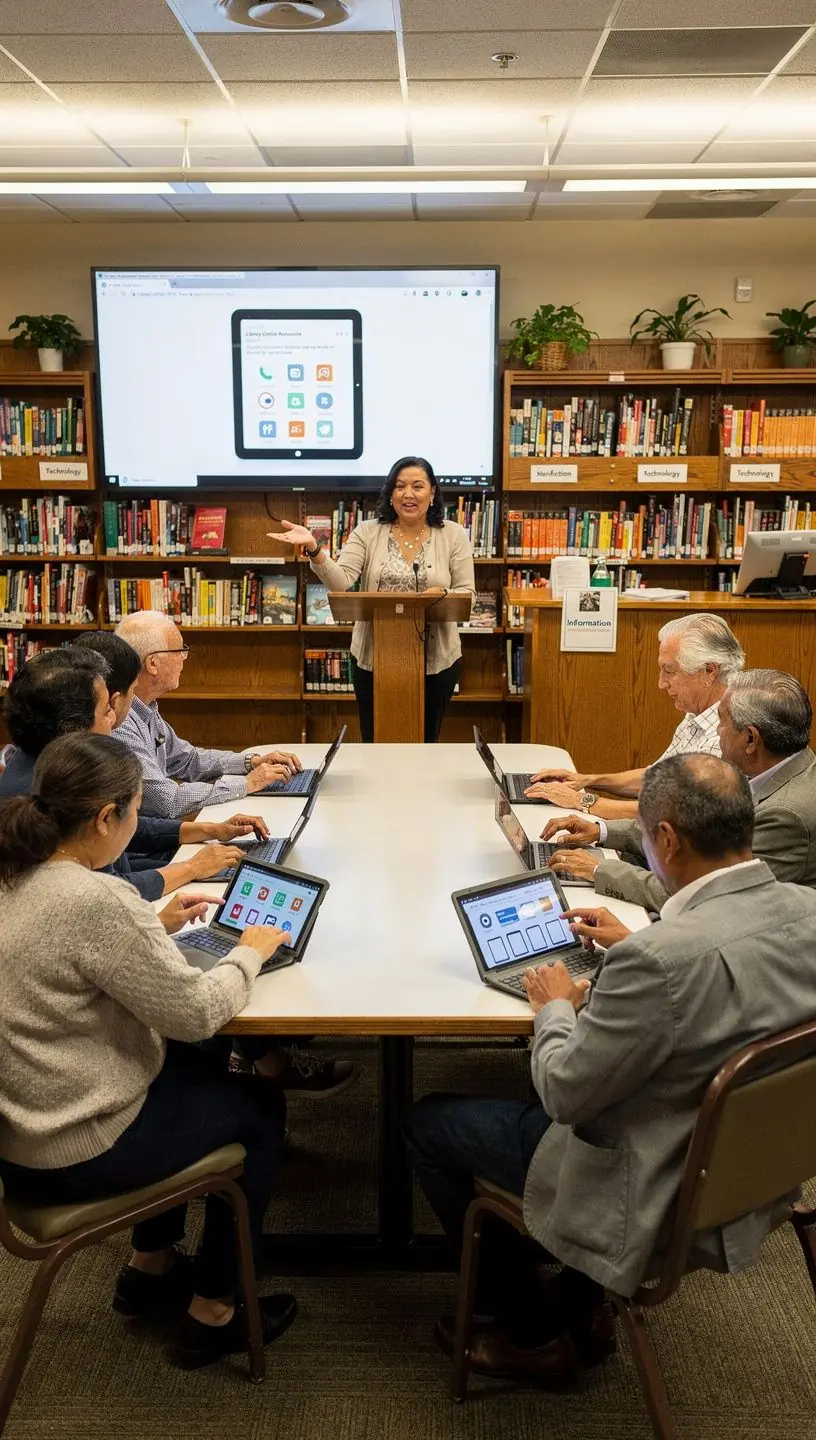
Understanding the Role of Community Hackathons
Community hackathons have gained notable attention in recent years as effective events for fostering innovation, collaboration, and problem-solving within local communities. This article explores the mechanisms that make these gatherings significant and how they can drive technological improvements.
What is a Community Hackathon?
A community hackathon is typically a timed event where individuals come together to collaborate on projects, often with a focus on solving local challenges or developing new ideas. According to industry experts, these events usually last from 24 to 48 hours and are designed to harness the creativity and skills of participants from various backgrounds.
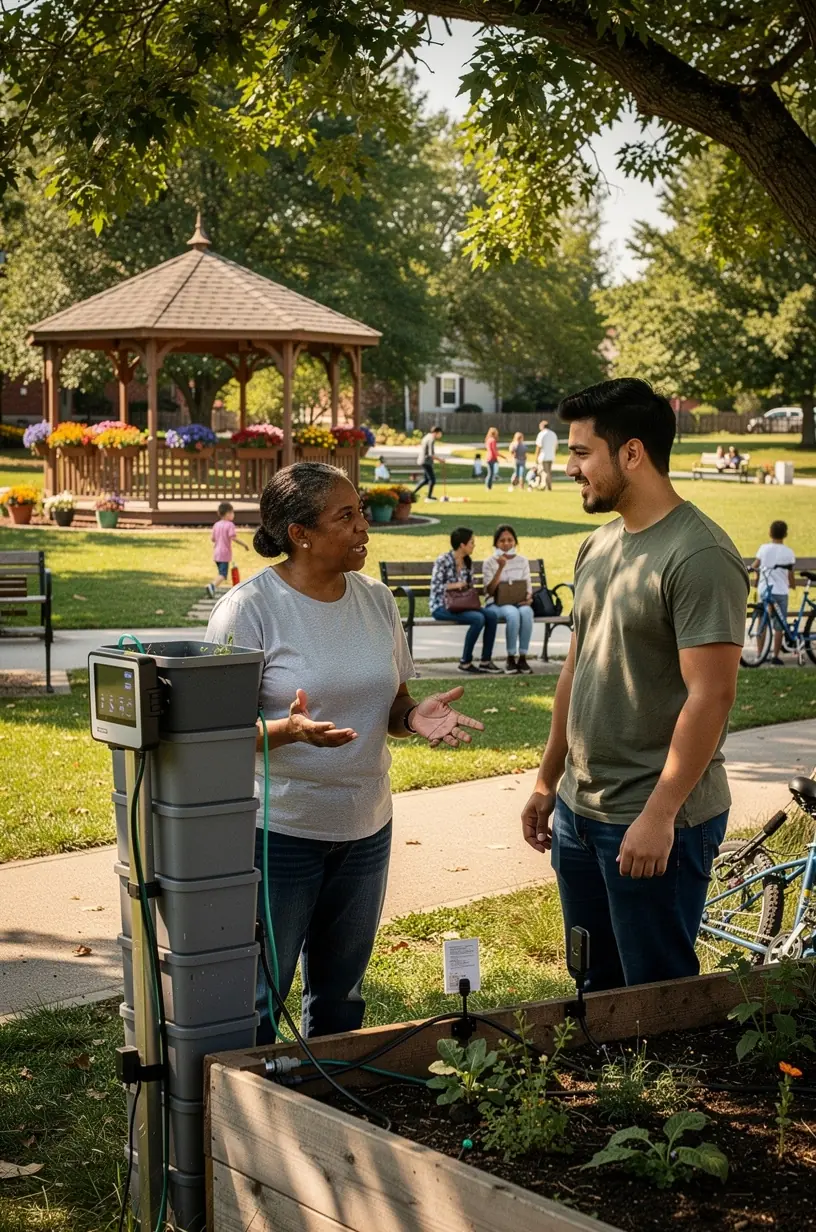
"Hackathons encourage collaboration and provide a platform for innovative ideas to flourish, making them an excellent catalyst for community improvement." - Tech Industry Expert
The Benefits of Hosting Hackathons
Research indicates that community hackathons can lead to numerous benefits:
- Enhanced Collaboration: Participants often report improved teamwork skills as they work with diverse groups, fostering a sense of community.
- Increased Creativity: The collaborative environment encourages innovative thinking. Many users find that brainstorming with others often leads to breakthroughs that they might not achieve alone.
- Practical Solutions: Typically, projects developed during hackathons focus on real-world issues faced by the community, providing actionable solutions that can be implemented immediately or further developed.
How Hackathons Facilitate Innovation
Hackathons operate on several principles that contribute to their effectiveness:
- Time-Limited Projects: The compressed timeframe encourages participants to make quick decisions and prioritize essential features, which can lead to efficient problem-solving.
- Diverse Skill Sets: By attracting individuals from varying disciplines, hackathons often result in interdisciplinary teams that can approach problems from multiple angles.
- Feedback Mechanisms: Participants can present their ideas to mentors and peers for constructive criticism, which helps refine their projects and fosters a continuous improvement mindset.
Challenges and Considerations
While community hackathons can be highly productive, they are not without challenges. Organizers must consider:
- Time Commitment: Preparing for a hackathon typically requires considerable planning and outreach, which can take several weeks.
- Participant Engagement: Maintaining participant enthusiasm throughout the event can be challenging, requiring thoughtful scheduling and facilitation.
- Post-Hackathon Support: Many ideas generated during hackathons need further development and support to realize their potential, highlighting the importance of ongoing community engagement.
Conclusion
Community hackathons represent a dynamic method for fostering local innovation and addressing community needs. By bringing together diverse talents and focusing on collaborative problem-solving, these events harness the potential for meaningful technological improvements. As communities continue to explore these opportunities, the positive impact on local development may become increasingly evident.