Exploring Local Makerspaces and Their Impact
Makerspaces have emerged as vital hubs for creativity and innovation within communities across the United States. These collaborative workspaces offer individuals access to tools, resources, and a community of like-minded creators. Understanding their impact requires examining how they function and their potential benefits for local economies and skills development.
What is a Makerspace?
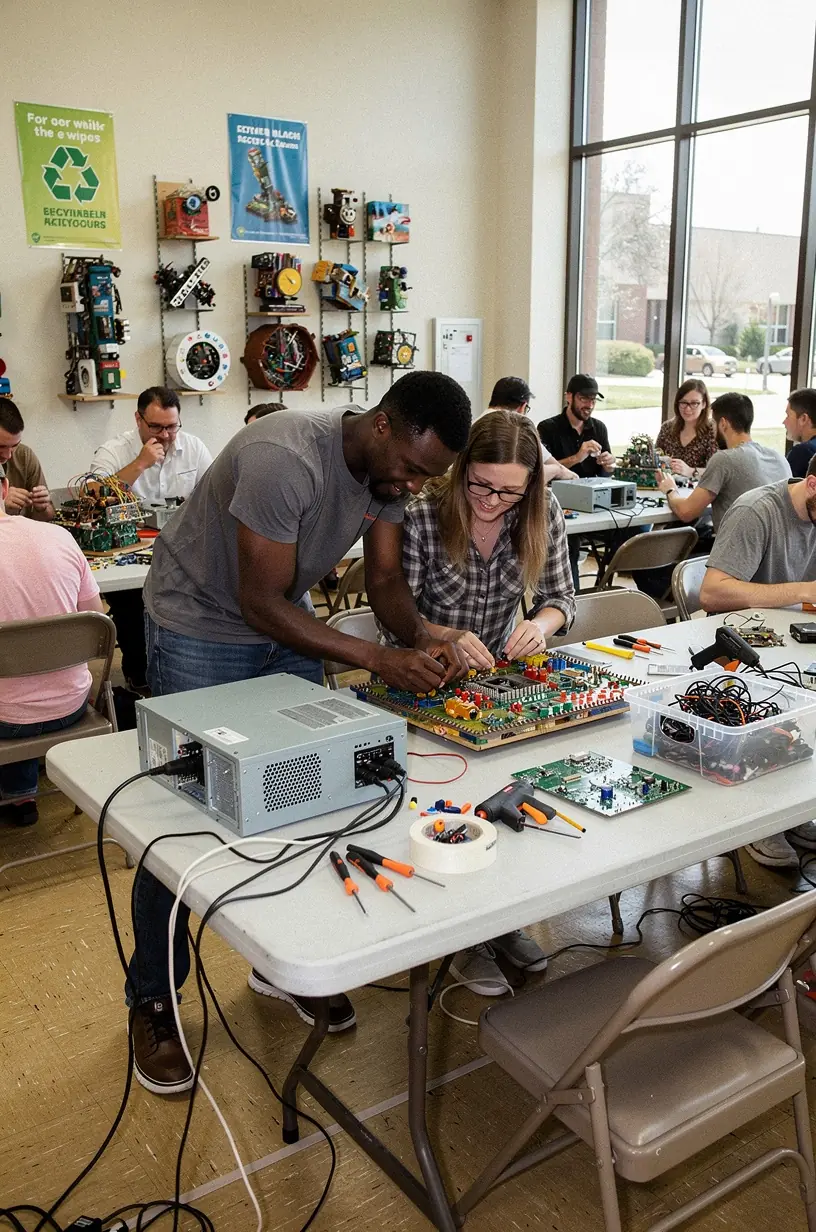
A makerspace is a community-driven environment where individuals can come together to create, build, and learn. Typically, these spaces are equipped with various resources, including 3D printers, woodworking tools, and electronics. According to industry experts, the goal of a makerspace is to foster collaboration and promote hands-on learning.
"Makerspaces cultivate an environment of creativity and innovation that can lead to significant local economic impacts."
The Role of Makerspaces in Local Innovation
Makerspaces play a crucial role in local innovation by providing the necessary environment for individuals to experiment and create. Here are a few key aspects of their impact:
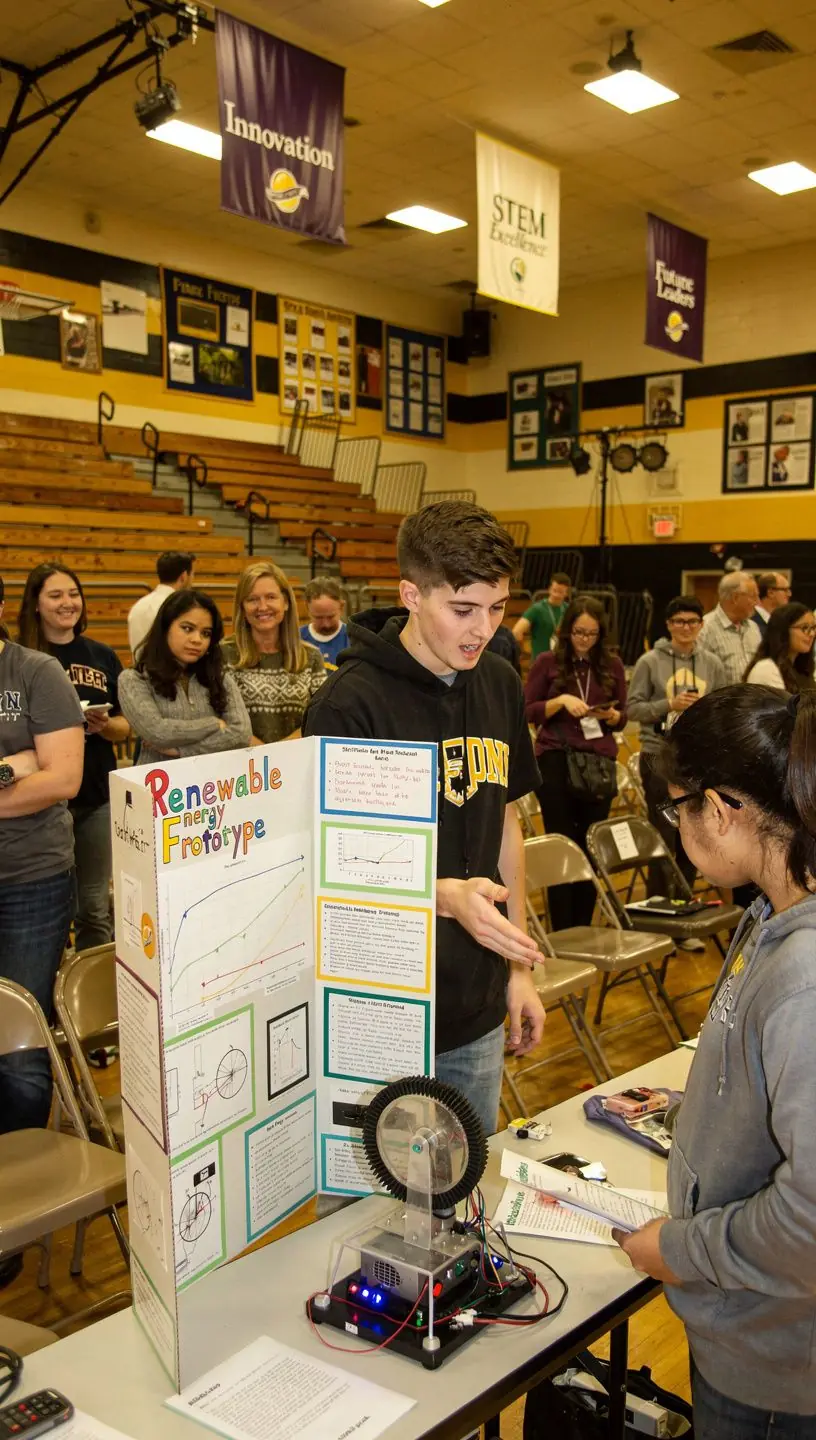
- Skill Development: Many users report that makerspaces are instrumental in acquiring new skills, ranging from woodworking to coding. This hands-on experience can be more effective than traditional learning methods.
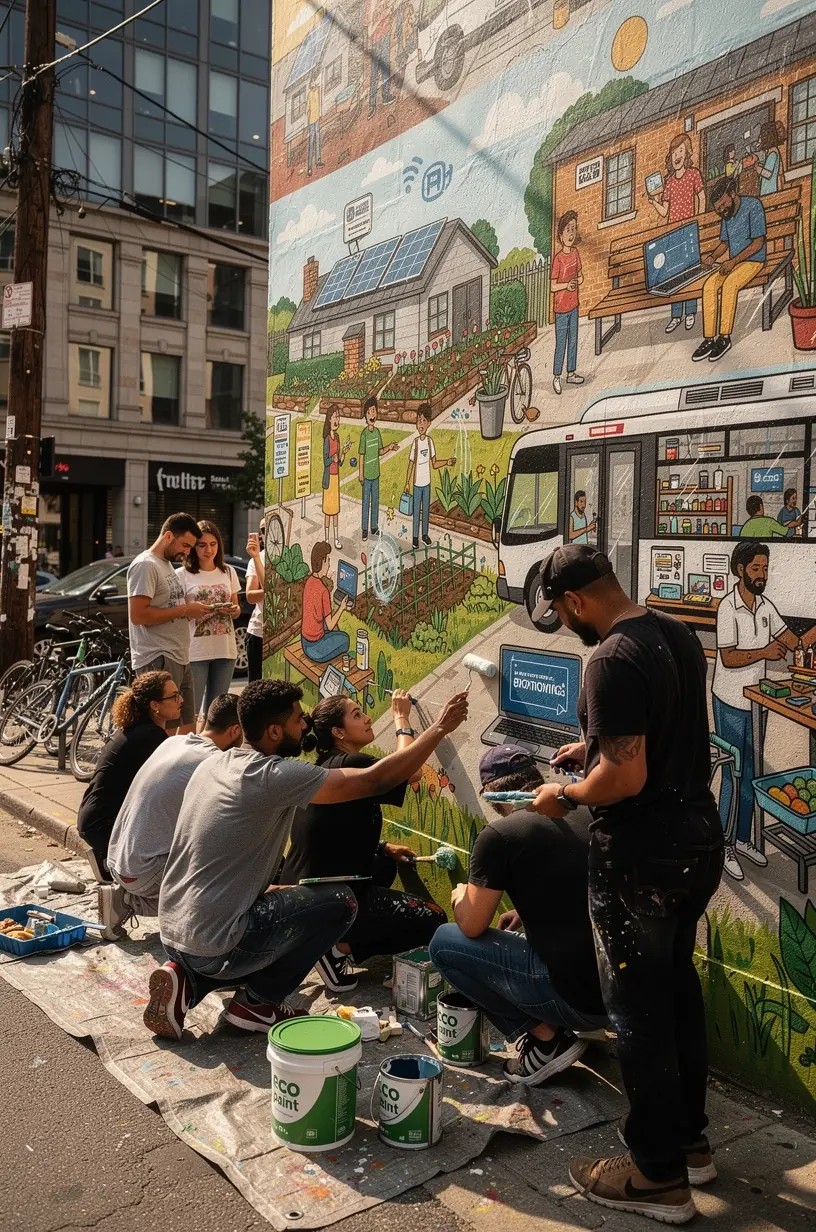
- Community Engagement: These spaces often host events and collaborative projects that engage local residents. Research indicates that such community involvement can enhance social cohesion and foster a sense of belonging.
- Economic Growth: By supporting local entrepreneurs and innovators, makerspaces can stimulate economic growth. For instance, many small businesses have emerged from these environments, contributing to job creation and local economies.
Challenges Faced by Makerspaces
While makerspaces offer many benefits, they also face challenges that can affect their sustainability and effectiveness:
- Funding Issues: Many makerspaces operate on tight budgets, relying on grants and community donations. This can limit the resources available for expanding their offerings.
- Access and Inclusivity: Not all community members may have equal access to these spaces. Ensuring inclusivity often requires targeted outreach efforts to underrepresented groups.
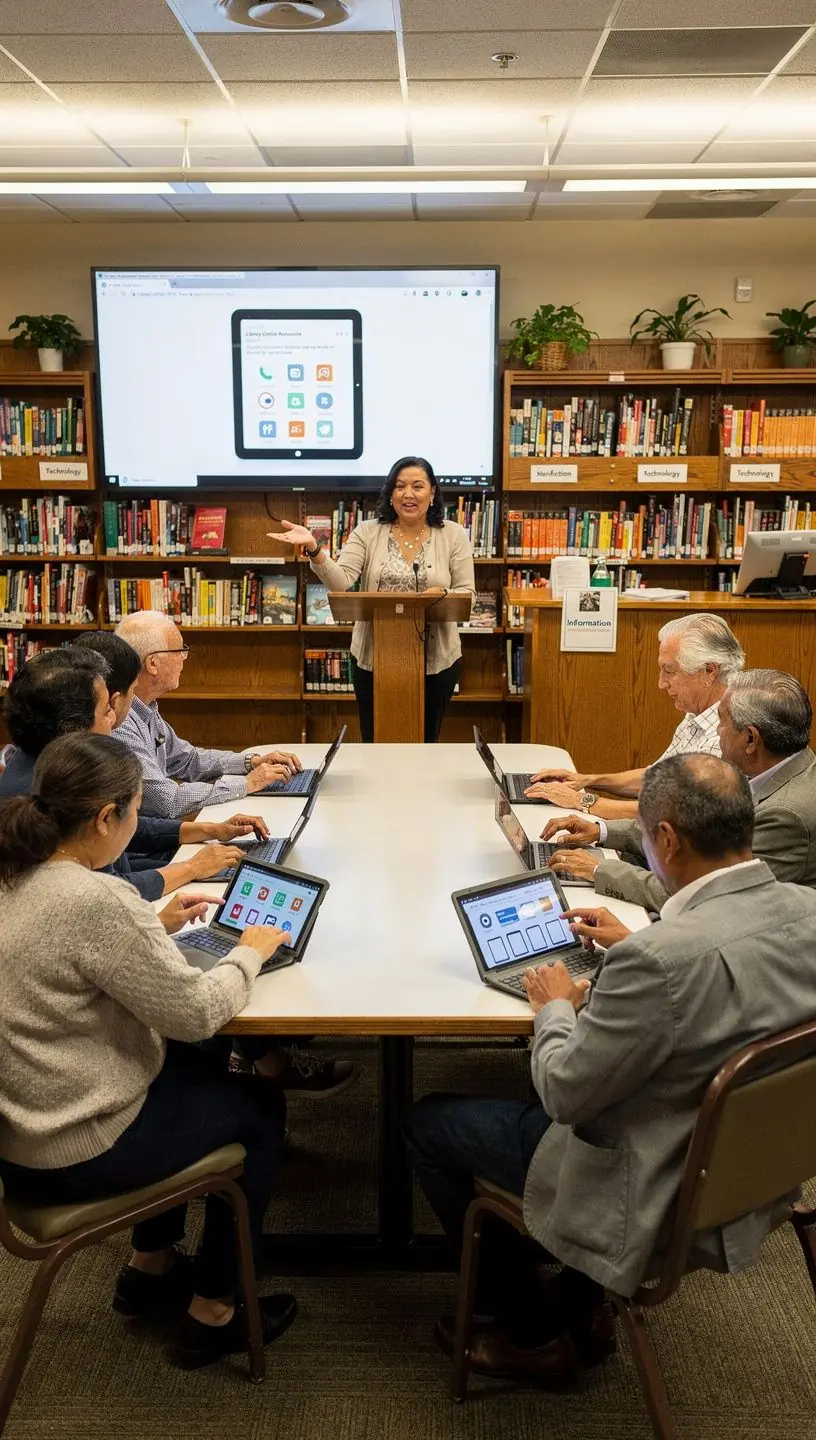
- Skill Barriers: Some newcomers may experience a learning curve when using advanced tools and technologies. This can deter participation unless adequate support is available.
Conclusion
Makerspaces represent a powerful avenue for local innovation, facilitating skill development and community engagement while contributing to economic growth. However, addressing the challenges they face will be crucial for their ongoing success. As these spaces continue to evolve, fostering an environment that encourages creativity and collaboration will be essential for their impact on communities across the U.S.