Practical Approaches to Solar Energy Implementation
With the growing emphasis on renewable energy sources, solar energy has emerged as a viable option for communities across the United States. This article explores practical approaches for the implementation of solar energy, focusing on realistic expectations, methodologies, and community involvement.
Understanding Solar Energy Basics
Solar energy harnesses sunlight to produce electricity or heat. According to the U.S. Department of Energy, solar technologies can be broadly categorized into two types: photovoltaic (PV) systems, which convert sunlight directly into electricity, and solar thermal systems, which use sunlight to generate heat. Experts recommend a clear understanding of these technologies to determine which best fits a community's needs.

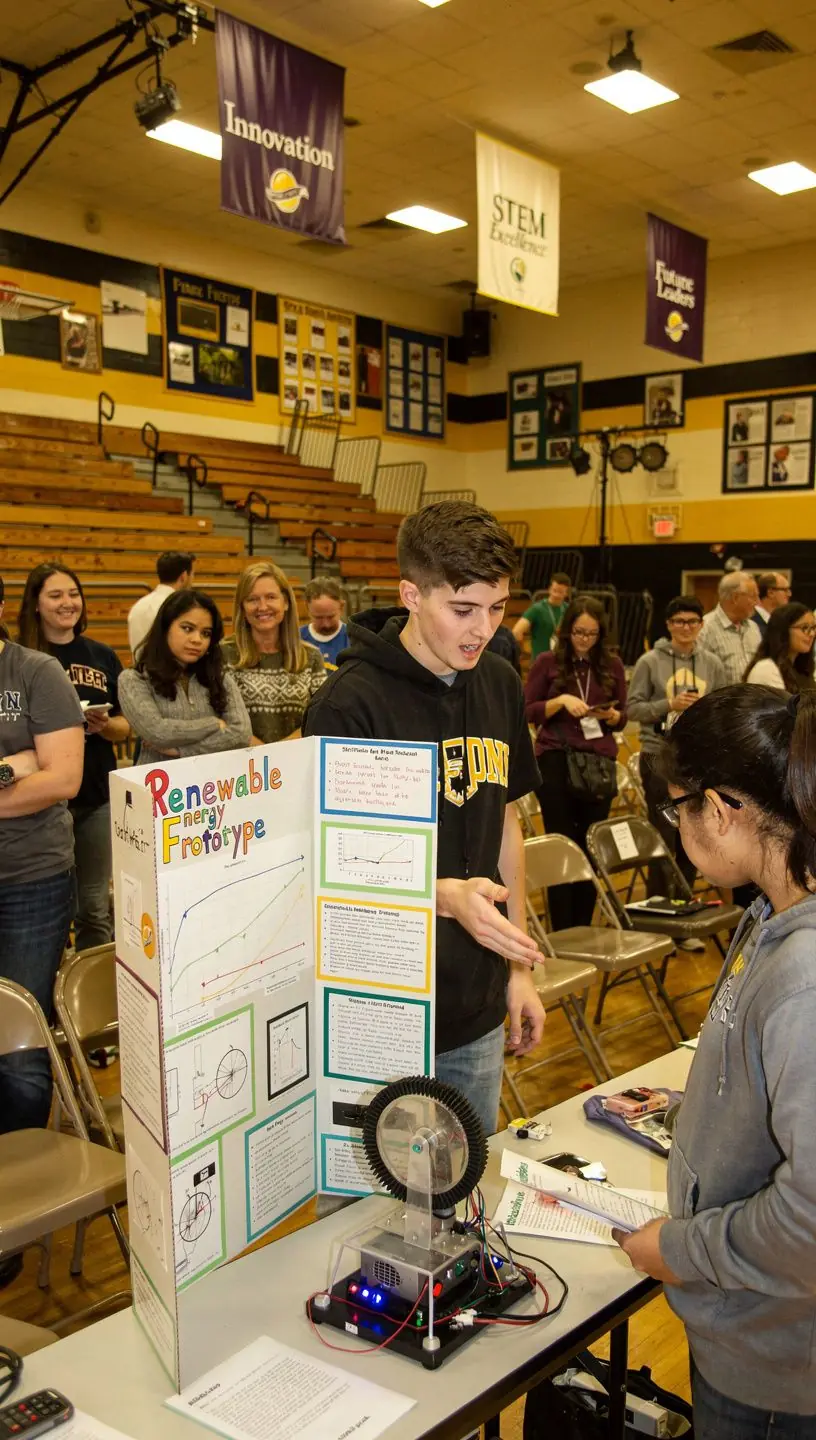
"Communities that prioritize education on solar technologies typically see a higher rate of adaptation and satisfaction." - Renewable Energy Association
Assessing Community Needs
Before implementing solar energy solutions, it is crucial for communities to assess their specific needs and potential benefits. This assessment can involve:
- Conducting a feasibility study: Analyzing local energy consumption and available sunlight can help identify the most effective type of solar system.
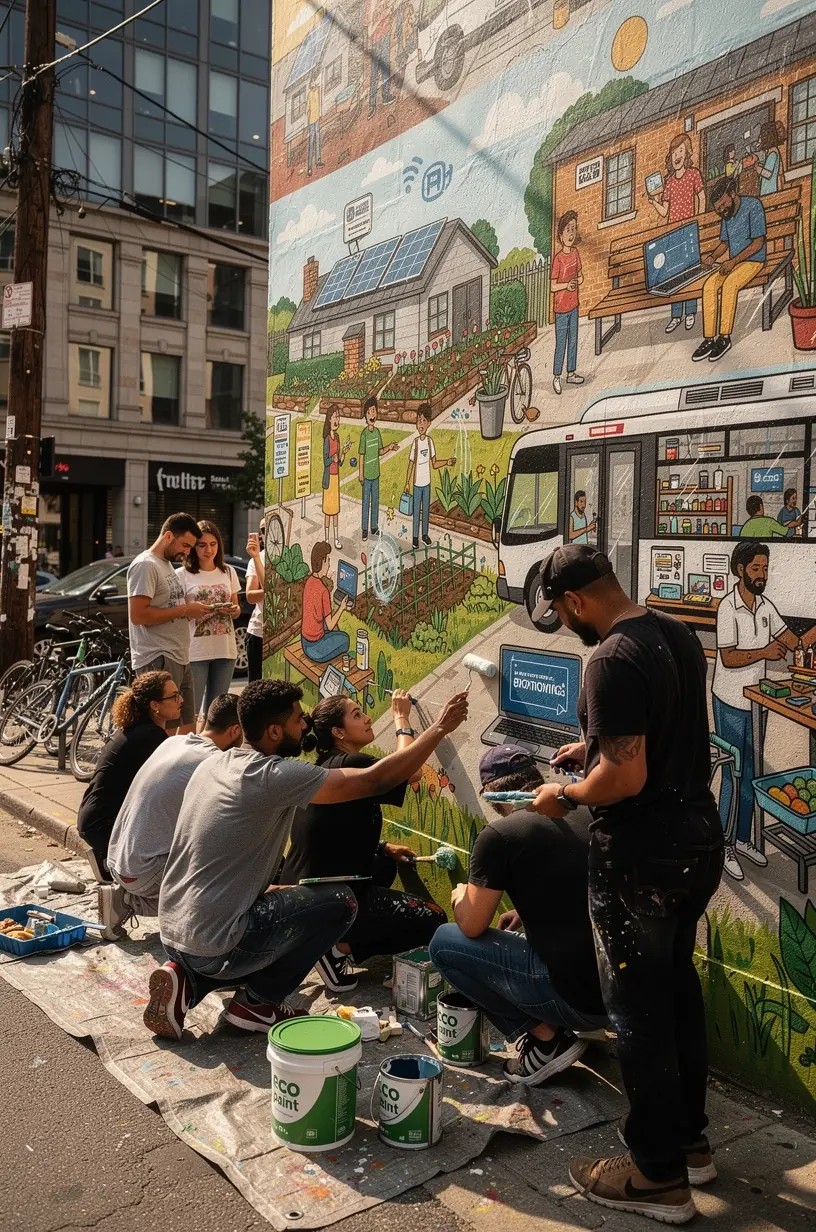
- Engaging with community members: Gathering input from residents ensures that the solutions proposed will meet the unique needs of the community.
- Considering financial implications: Many communities explore financing options, such as grants, subsidies, or solar cooperatives, to lessen the economic burden of installation.
Steps to Implementation
The process of implementing solar energy can be broken down into several key steps:
- Planning and Design: Collaborating with local solar installers to design a system that fits the community's energy profile is essential. This process typically takes 2-4 weeks.
- Installation: During this phase, local contractors will install the solar panels and related systems. While the installation itself can often be completed in a few days, proper integration with existing infrastructure may require additional time.
- Monitoring and Maintenance: After installation, regular monitoring is necessary to ensure optimal performance. Many systems include monitoring software that provides real-time data on energy production.
Challenges and Considerations
Adopting solar energy may involve certain challenges that communities should be aware of:
- Initial Costs: Although prices for solar installations have decreased, upfront costs can still be a barrier. Research indicates that many users report improved financial returns within 5-7 years after installation.
- Space Requirements: Solar panels require adequate space, both for installation and for potential future expansion. This is particularly crucial for urban areas.
- Regulatory Hurdles: Local regulations and permitting processes can affect the timeline and feasibility of solar projects. Engaging with local authorities early in the process can help navigate these challenges.
Conclusion
Implementing solar energy in communities across the United States involves thoughtful planning, community engagement, and a clear understanding of local needs. By breaking down the process into manageable steps and addressing potential challenges, communities can effectively harness solar energy's benefits. This approach not only promotes sustainability but also fosters a sense of community ownership and responsibility towards renewable energy initiatives.