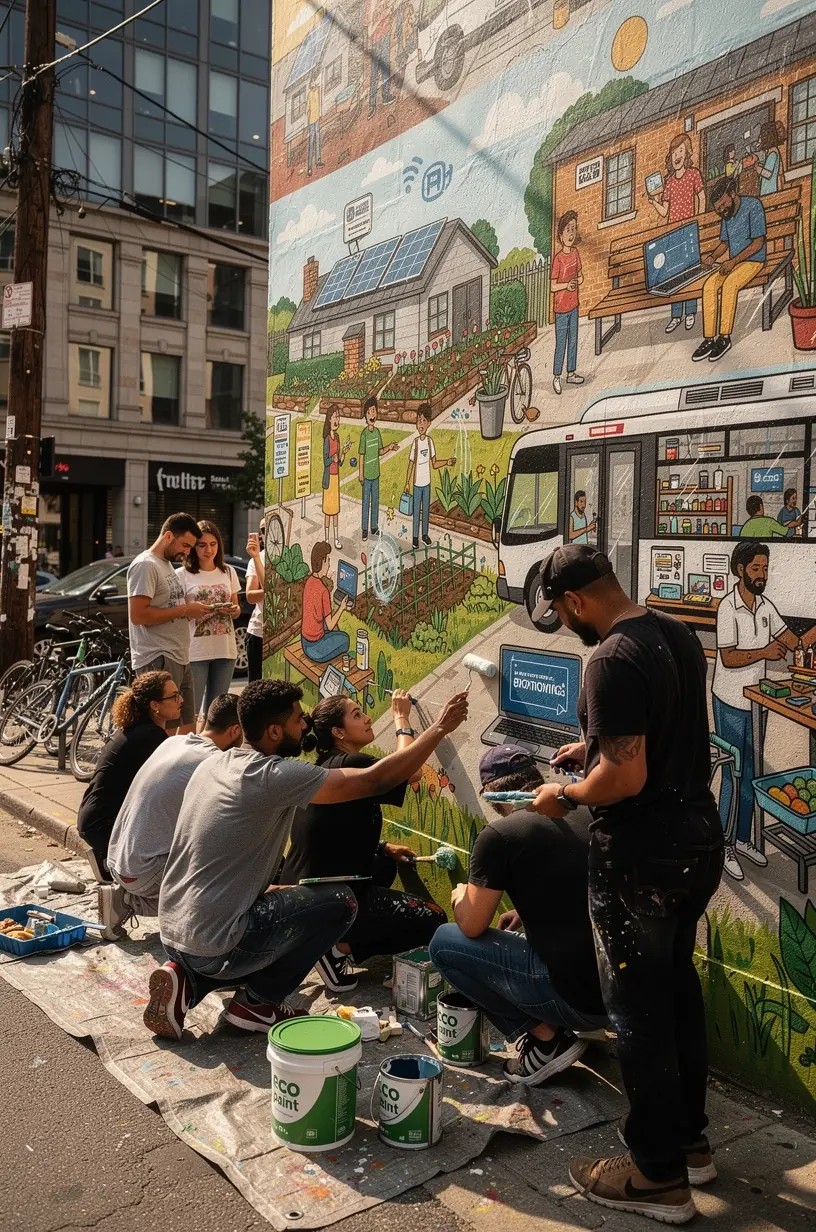
How Urban Gardening Enhances Local Sustainability
Urban gardening is more than just a trend; it represents a shift towards more sustainable living practices in our cities. By utilizing available space creatively, communities can contribute to sustainability while enjoying the numerous benefits that gardening brings.
Understanding the Impact of Urban Gardening
Urban gardening can play a vital role in enhancing local sustainability. According to research, community gardens often lead to reduced food miles, which refers to the distance food travels from production to consumption. This reduction can significantly decrease carbon emissions associated with transportation.

"Studies show that urban gardens can reduce carbon footprints by as much as 20% in densely populated areas."
Benefits Beyond Food Production
While the ability to grow fresh produce is a primary motivation for many urban gardeners, the benefits extend well beyond food. Here are some key advantages:
- Improved Air Quality: Plants absorb carbon dioxide and release oxygen, contributing to better air quality. Research indicates that urban greenery can reduce air pollution significantly.
- Community Engagement: Urban gardens often serve as community hubs, fostering social interactions and cooperation among residents, which can enhance community bonds.
- Increased Biodiversity: Gardens can provide habitats for various species, promoting biodiversity within urban environments while supporting local ecosystems.
Practical Steps for Establishing an Urban Garden
Starting an urban garden may seem daunting, but it is typically manageable with some planning and effort. Here are some practical steps to get started:
- Choose the Right Location: Select a sunny spot with adequate access to water. Rooftops, balconies, and community spaces can all be suitable.
- Assess Community Interest: Gauge interest among neighbors to form a community garden. This can enhance participation and share the workload.
- Select Appropriate Plants: Consider local climate and soil conditions when choosing plants. Native species are often more resilient and require less maintenance.
Acknowledging Challenges
While urban gardening offers numerous benefits, it is essential to recognize potential challenges. Establishing a garden typically requires initial investment in time and resources. Potential gardeners should be prepared for:
- Time Commitment: Regular maintenance is essential, with many gardens needing attention several times a week.
- Learning Curve: New gardeners may face challenges in understanding plant care, which can vary widely by species.
- Community Dynamics: Successful community gardens often rely on effective communication and shared responsibilities, which can take time to cultivate.
Conclusion
In summary, urban gardening presents a viable approach to enhance local sustainability by promoting environmental benefits, community engagement, and biodiversity. With realistic expectations and a commitment to learning, individuals and communities can harness the power of urban gardening to create greener, more sustainable urban spaces.