How Neighborhood Networks Foster Collaboration
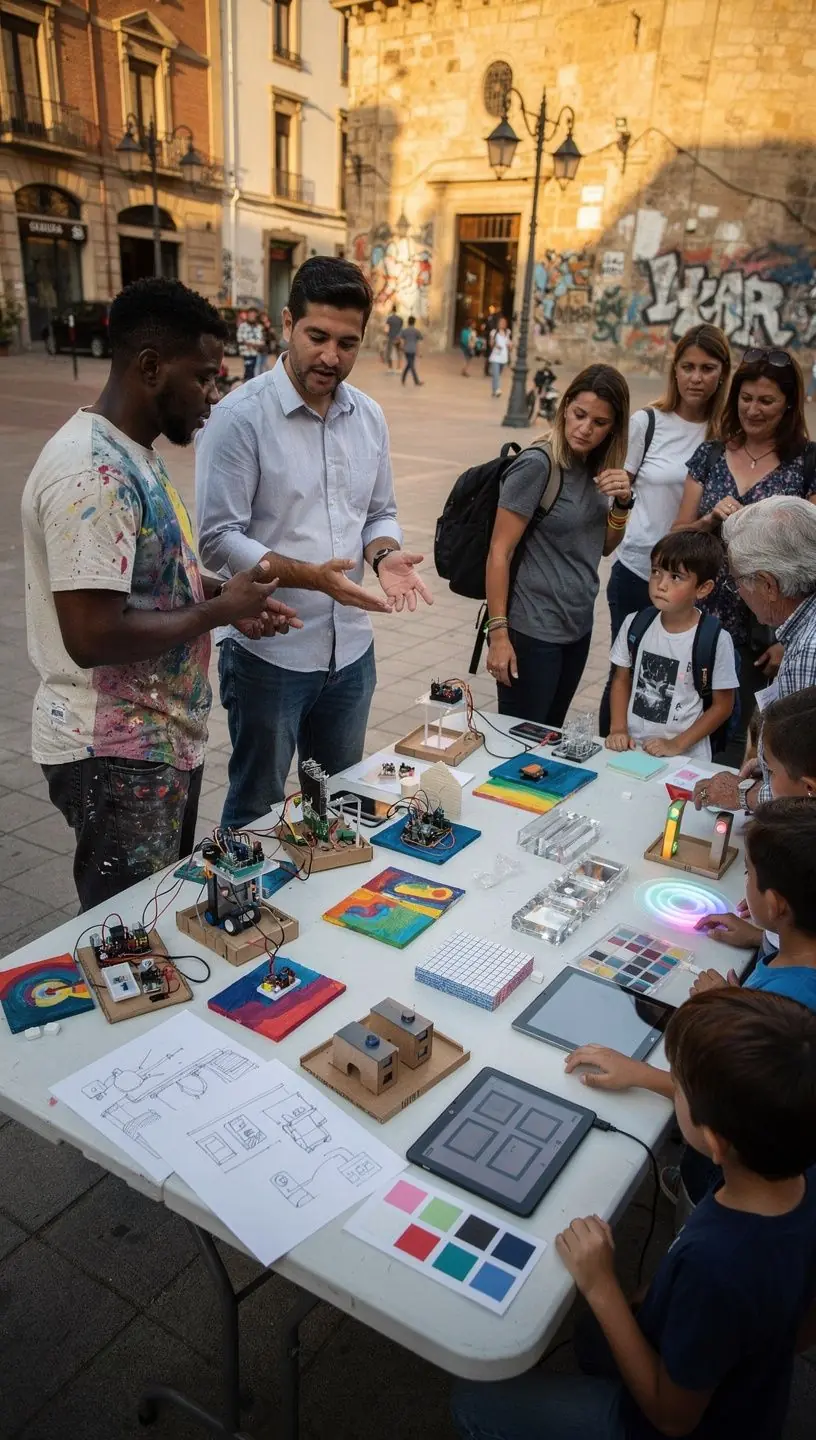
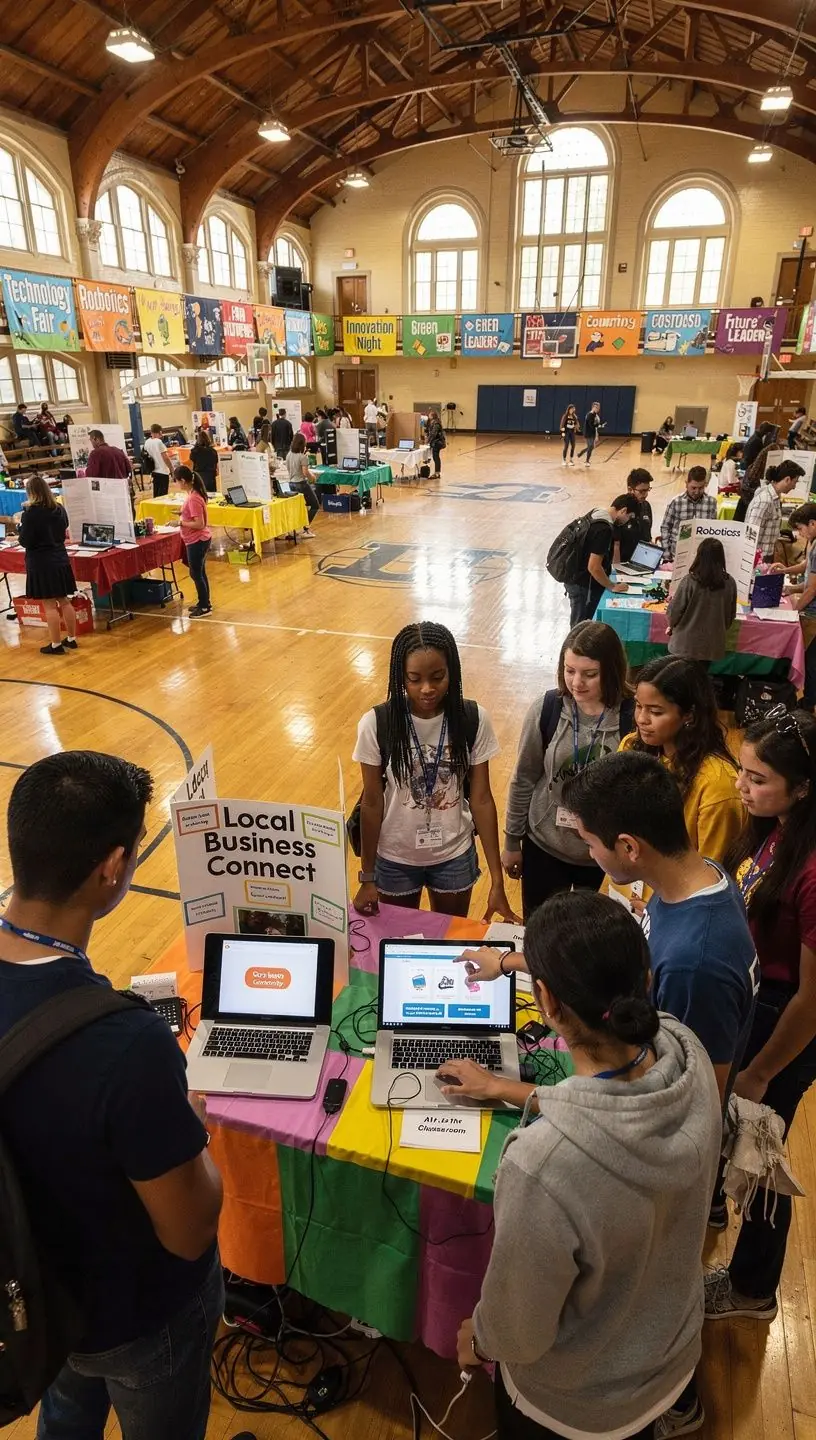
In today's rapidly evolving world, communities are increasingly turning to neighborhood networks to foster collaboration and innovation. These networks can lead to small-scale technological improvements that address local issues effectively.
Understanding Neighborhood Networks
Neighborhood networks refer to informal or formal groups formed within communities that aim to facilitate communication, resource sharing, and collaboration among residents. According to experts in community development, these networks often exhibit characteristics such as inclusivity and shared goals, making them effective in mobilizing local resources.

"Neighborhood networks can significantly enhance civic engagement and foster a sense of community ownership." — Community Development Expert
How Neighborhood Networks Encourage Collaboration
These networks promote collaboration in several ways:
- Resource Sharing: Members can share tools, knowledge, and skills, which typically leads to increased efficiency in problem-solving.
- Collective Problem-Solving: Collaborative efforts often yield innovative solutions to local challenges, as diverse perspectives are brought to the table.
- Stronger Relationships: Regular interactions among members help build trust, which is foundational for effective collaboration.
Case Studies of Successful Neighborhood Networks
Several neighborhoods across the United States have successfully implemented networks that foster collaboration:
- Greenwood Community in Seattle: This network has introduced a local tool library that allows residents to borrow gardening and home improvement tools. This initiative has reportedly increased participation in community gardens by 30%.
- The 3rd Ward in Brooklyn: By establishing a local tech hub, this area has facilitated workshops and meetups that have led to multiple small tech startups being founded, showcasing the potential for economic growth through collaboration.
Challenges and Considerations
While neighborhood networks can be beneficial, there are challenges to consider. Setting up such networks typically requires a time commitment and may involve a learning curve for participants. Additionally, the effectiveness of collaboration can depend on the existing social dynamics within the community. Research indicates that networks are more successful when there is already a foundation of trust and engagement among community members.
Conclusion
Neighborhood networks present an effective approach for fostering collaboration within communities. By sharing resources, engaging in collective problem-solving, and building strong relationships, these networks can catalyze local innovation and drive technological improvements. As communities continue to evolve, embracing such collaborative models may offer a promising path toward addressing local challenges.