Understanding the Role of Citizen Science Projects
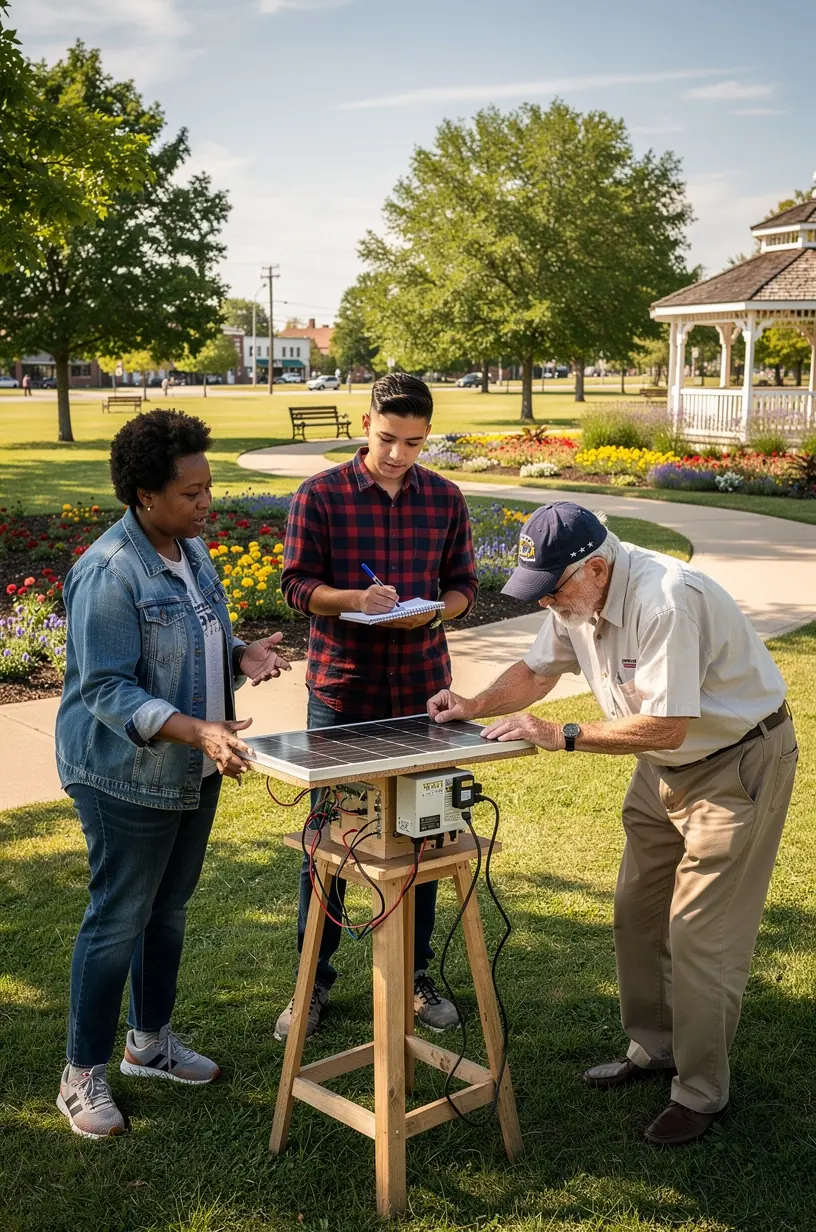
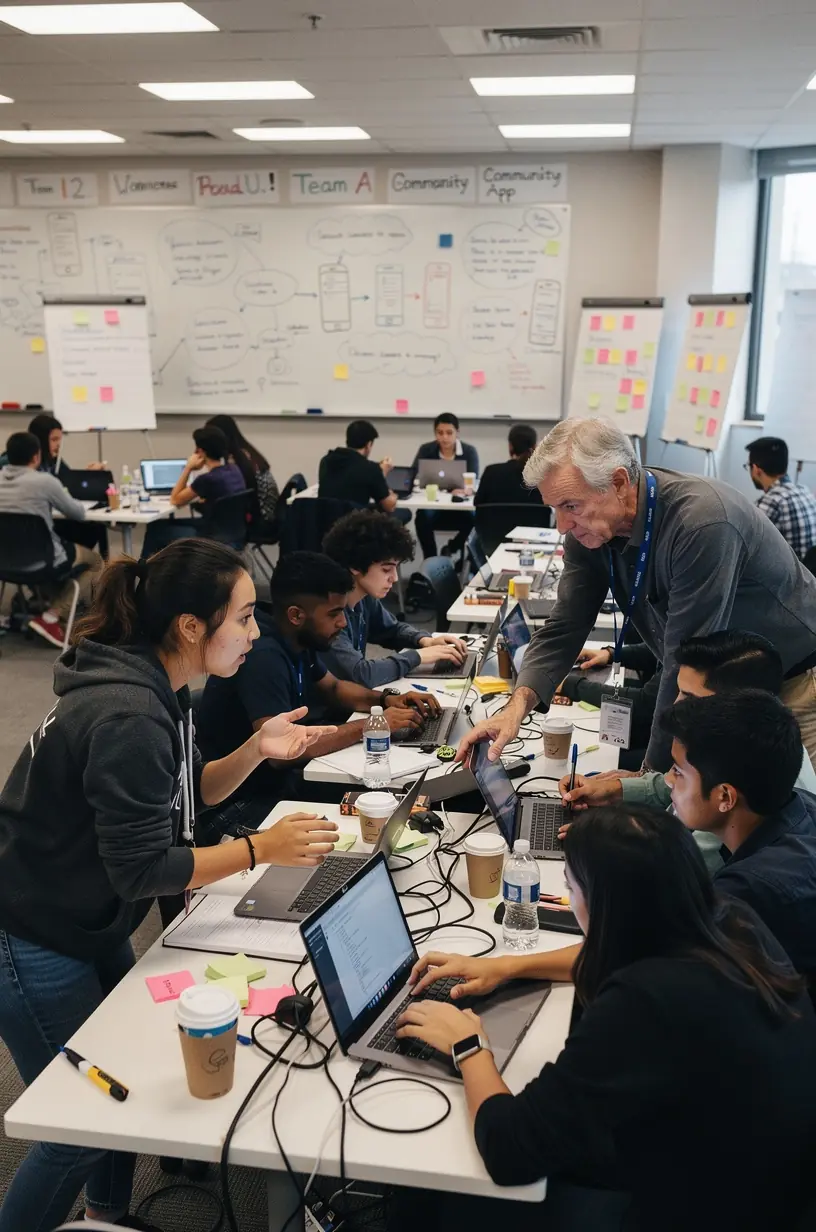
Citizen science projects are increasingly recognized as vital components in local innovation efforts. In these initiatives, community members actively engage in scientific research, contributing to data collection and analysis. This article delves into how these projects function, their benefits, and the considerations for effective participation.
The Foundations of Citizen Science
Citizen science is characterized by its collaborative nature, where volunteers contribute to scientific research often alongside professional scientists. According to the National Academies of Sciences, Engineering, and Medicine, citizen science serves various purposes, such as environmental monitoring, public health studies, and biodiversity assessments. These projects typically utilize technology like mobile apps and web platforms to facilitate data collection.
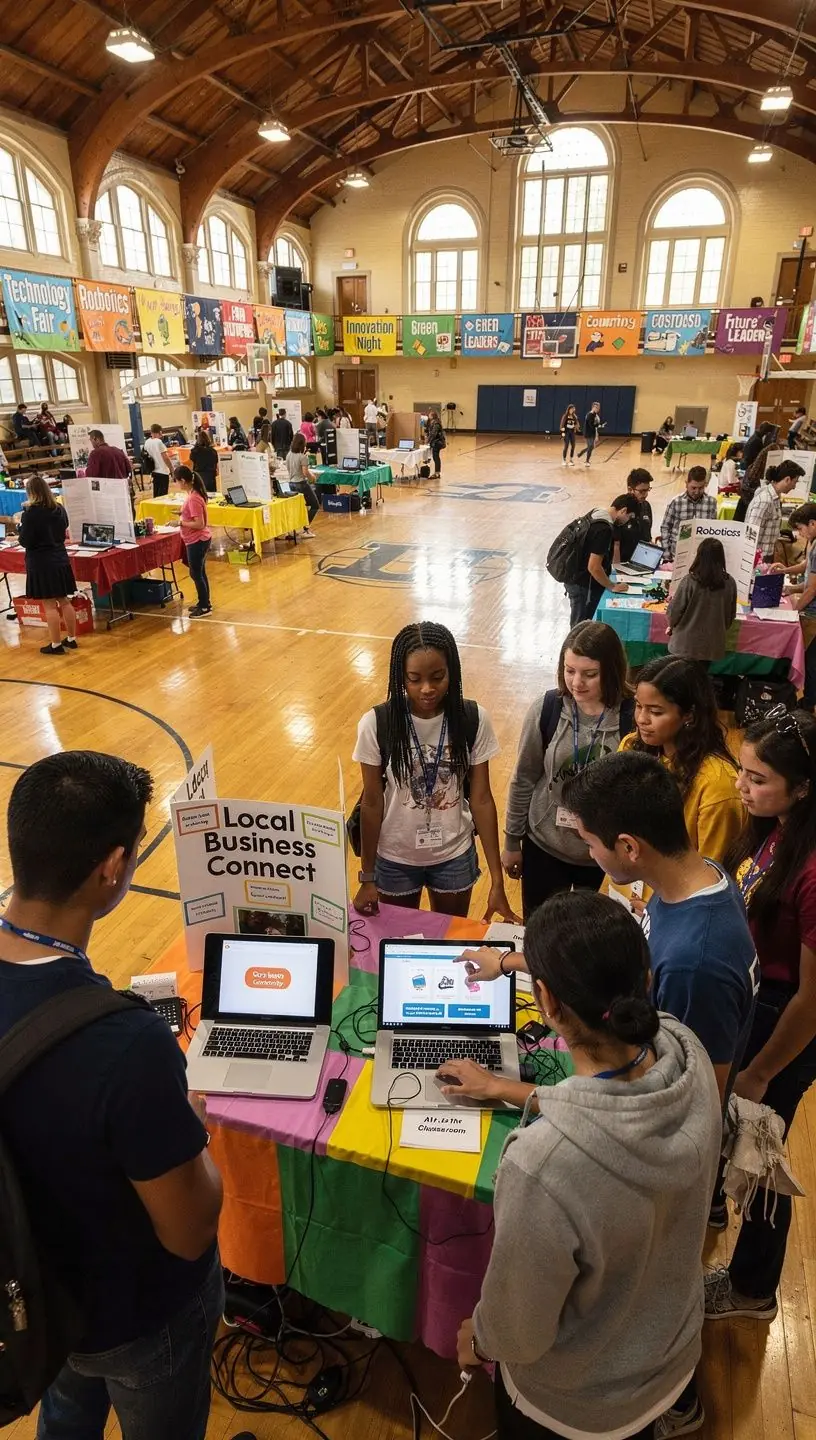
"Citizen science leverages the collective power of communities to enhance scientific understanding and drive local change."
Benefits of Engaging in Citizen Science
- Empowerment: Participation in citizen science projects can empower individuals and foster a sense of ownership over local environmental issues.
- Data Quality: Research indicates that the data collected by citizen scientists can be as reliable as that gathered by professionals, particularly in ecological studies.
- Awareness and Education: Engaging in these projects often heightens community awareness of scientific processes and local environmental challenges, which can lead to more informed citizenry.
Challenges and Considerations
While citizen science projects offer numerous advantages, they also come with challenges that participants should be aware of:
- Time Commitment: Participating in these projects typically requires a regular time commitment. Many projects last several weeks or months, depending on their scope.
- Data Management: Volunteers may need to learn data management techniques to ensure accuracy and reliability, which can involve a learning curve.
- Community Engagement: Success often hinges on the ability to engage the community effectively. Without sufficient interest and participation, projects may struggle to gather useful data.
How to Get Involved
If you're interested in participating in citizen science projects, consider the following steps:
- Research local initiatives: Look for projects that align with your interests or community needs. Websites like SciStarter can help connect you with suitable opportunities.
- Understand the requirements: Familiarize yourself with the specific commitments, such as the time needed and the skills you may need to develop.
- Engage with the community: Attend meetings or forums to network with other participants and project leaders, enhancing your experience and understanding of the project.
Conclusion
Citizen science represents a powerful approach to enhancing community engagement and scientific research. By understanding the methodologies and implications of these projects, individuals can make informed decisions about their participation. While challenges exist, the benefits of contributing to local science can be significant, leading to more informed citizens and healthier communities.
Learn More