Practical Guide to Creating a Community Composting Program
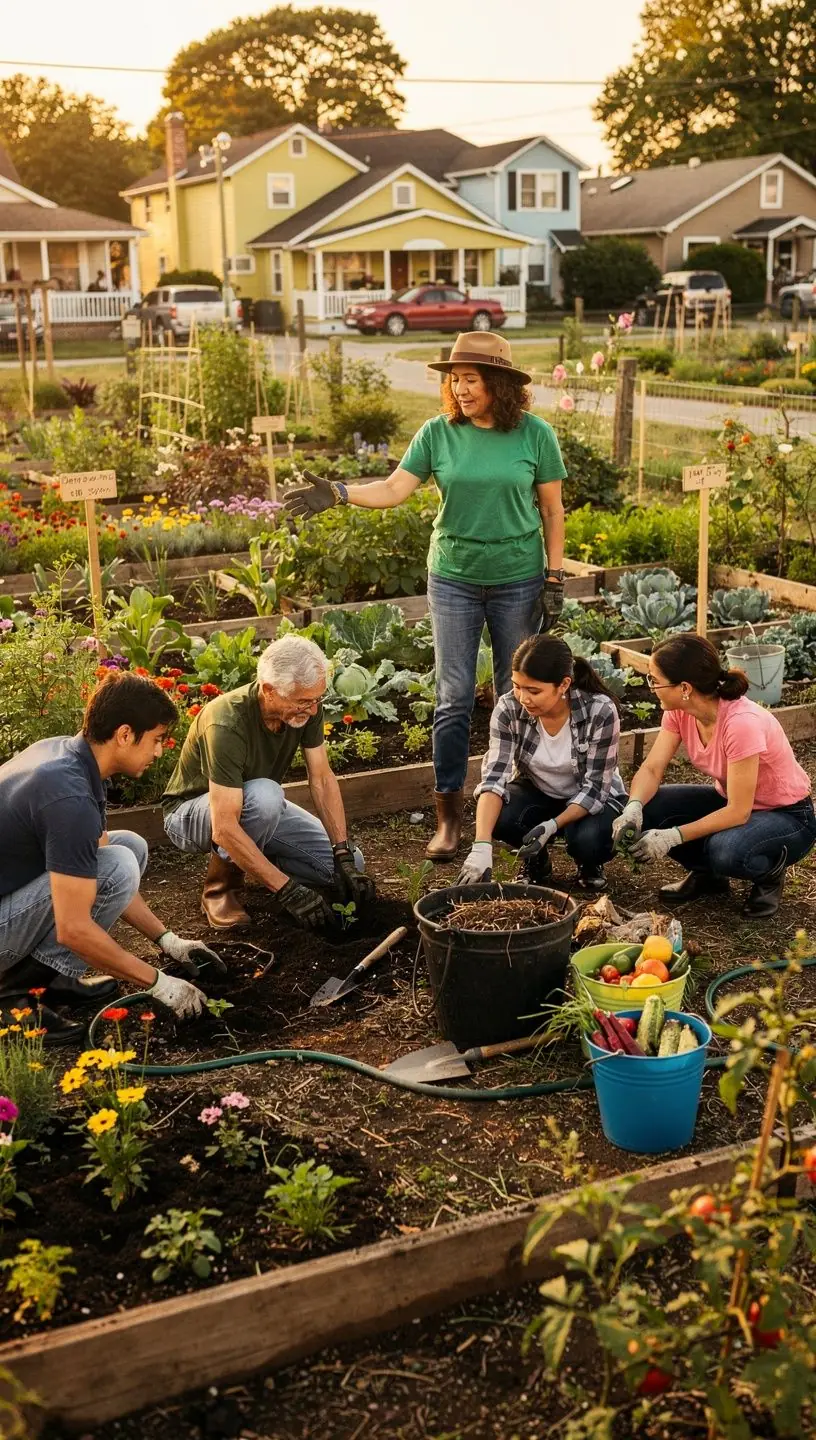
Composting can be a sustainable way for communities to reduce waste and enrich soil. This guide provides an overview of the steps involved in establishing a community composting initiative that fosters collaboration and environmental stewardship.
Understanding the Basics of Composting
Composting is the natural process of recycling organic matter, such as food scraps and yard waste, into a valuable fertilizer known as compost. According to the Environmental Protection Agency (EPA), composting helps divert waste from landfills and reduces greenhouse gas emissions. Experts recommend that community composting programs focus on educational outreach to promote participation and understanding of the composting process.

"Community composting not only reduces waste but also fosters a sense of community and environmental responsibility." — Dr. Jane Smith, Environmental Scientist
Steps to Establish a Community Composting Program
Starting a community composting program typically involves several key steps:
- Form a Community Group: Bring together interested community members, local organizations, and stakeholders. This collaborative approach can enhance the program's success and ensure diverse perspectives are considered.
- Identify Resources: Assess available resources, such as land for composting sites, materials for bins, and tools for maintenance. Research shows that utilizing local resources can increase program sustainability.
- Choose a Composting Method: Options include bin composting, pile composting, or vermicomposting. Each method has different space and maintenance requirements, so choose one that fits your community's needs.
- Conduct Educational Workshops: Providing educational materials and workshops on proper composting techniques can significantly improve participation. Research indicates that communities with strong educational components see higher engagement rates.
- Set Clear Guidelines: Establish what materials can and cannot be composted. Common compostable items include fruit and vegetable scraps, coffee grounds, and yard waste. It's essential to clarify that certain items, such as dairy and meat, can attract pests and should be avoided.
- Monitor and Evaluate: After launching the program, monitor its effectiveness and gather feedback. This ongoing evaluation can help identify areas for improvement and ensure the program meets community needs.
Challenges and Considerations
While creating a community composting program can be rewarding, it typically requires commitment and effort from participants. A few potential challenges include:
- Time Commitment: Organizing and maintaining a composting program typically takes several hours each week. Community members should be prepared for this commitment.
- Education and Engagement: The success of a composting initiative often hinges on community engagement and education. Many users report that initial interest can wane without ongoing outreach efforts.
- Space Limitations: Not all communities have access to suitable land for composting. In urban areas, finding space can be particularly challenging, necessitating creative solutions.
Conclusion
Creating a community composting program can be an effective way to manage waste sustainably while fostering community engagement. By following these steps and acknowledging potential challenges, communities can build a program that not only benefits the environment but also strengthens local ties. Clear expectations and continuous education are key components for long-term success.
Learn More